Showing posts with label book reviews. Show all posts

Wednesday, January 6, 2016

Dump the Paleo Diet and Do a Little Family Research

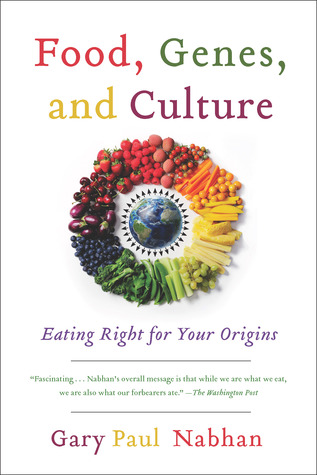
Everyone has one: the friend doing the Paleo diet who comes for dinner and eats all the meat meant to feed six people and leaves the starch. Well, next time, before you invite Pete Meathog over, have him read this book:


Because author Nabhan points out that, when archaeologists sift through the soil of early hominid camps,
they seem less certain that there is a single discernible dietary pattern evident among excavated sites. Some scholars have begun to doubt whether Java Man or other populations of Homo ever kept to a uniform diet; some even wonder if ancestral diets contained more or less the same proportions of fats, proteins, sugars, and fiber.
Heck, even the primate populations living today "less than one hundred miles away from one another" demonstrate considerable dietary and genetic variation, so who's to say what Paleolithic man ate?

Nabhan builds a stronger case that diet and genetics have had an active interplay over the last several thousand years, resulting in different ethnic groups evolving in response to their typical diets and in response to environmental pressures (e.g., prevalence of malaria, rate of meat spoilage near the equator, etc.). Folks used to believe evolution took eons, but now we understand that natural selection can operate much more quickly, making significant changes in a few hundred generations. Of course, not everyone lives in the land of their ancestors anymore, eating what their ancestors had developed to eat, and
the forcing of ethnic populations to abandon either their homelands or their traditional diets has inevitably led to epidemic rises in diabetes, heart disease, cancer, and allergies, among other maladies. Because some people have been untethered from the foods to which their metabolisms are best adapted, some 3 to 4 billion of your neighbors on this planet now suffer nutritional-related diseases (italics his). 

Sure, let's be friends--just don't try to poison me with your food
The studies and cases covered by the book are fascinating. Why do some Sardinians suffer from seasonal symptoms, when fava bean pollen is adrift? Why do the highland Cretans eat three times the fat of Americans, but the Americans sampled had a coronary death rate forty times higher? Why are some families more prone to alcoholism than others? Why do many ethnic populations who shift to a "Western" diet see their diabetes levels skyrocket?

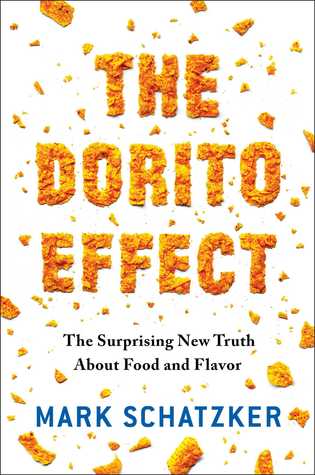
A lot of what Nabhan had to say about the both medicinal and toxic effects of plant chemicals dovetailed well with Mark Schatzker's book THE DORITO EFFECT, which I talked about here.

I only wish Nabhan concluded with a giant map of "traditional" diets across the world. What would be his best guess for what different ethnicities should be eating, if you weren't one of the few groups discussed in the book? Some diet company could tap into a goldmine here. They could run a genetic test on clients and then hand them a printout of the diet their body is tailored to. Anyone? Anyone?

As it is, I'm left to do some sleuthing on my own. (I'm no scientist, so nobody quote me!) But, as a person of Chinese ethnicity, I notice a few things:

  • According to the American Diabetes Association, of the 29+million Americans who had diabetes in 2012, only 4.4% were Chinese.
  • In 2010, according to the CDC, rates for coronary heart disease were lowest among Asians/Pacific Islanders (3.9%).
  • While Asian/Pacific Islanders have only the second-lowest number of cancer incidents among the ethnic groups, they have the lowest death rate from cancer.
These things suggest some possibilities: either Chinese-Americans don't do so horribly on the Western diet; or Chinese-Americans continue to eat a higher proportion of their traditional foods, even in America; or some combination of the two. In our household, we only eat Chinese-ish food maybe once a week, and, apart from Sugar-Free January, we eat probably half the sugar a typical American family eats. (That is, we eat dinner dessert but don't drink soda or eat sugary cereal or pack cookies in the lunchbox.) So I'm going to guess Chinese-Americans are evolutionarily suited to survive the Western diet, which is heavy on grains, and they are further benefited by liking things a little less sweet than other tasting groups. (Sadly, I don't seem to have passed this latter characteristic to my half-Chinese kids. I can't bear to eat my husband's Christmas fudge--too sweet!--but my kids like it just fine.)

So I did a little research on traditional Chinese agriculture on the internet and discovered the legend of the Five Grains, mythical stories that explained the dawn of agriculture in China, about 9500 years ago. While accounts differ on the original five grains, some main contenders pop up: millet, rice, wheat, soybeans, hemp, adzuki beans, and barley. Which means my body has benefited from thousands of years of evolutionary adjustment to those items. Score! 

Now I just need to figure out how to keep the hub and kids alive, they being much more genetic mutts. This might mean I have to pull out that genealogy from crazy Great-Grandpa Dudley, who once traced the family back to the Virgin Mary. Yes, you read that right.

I'll keep you posted.

Wednesday, December 9, 2015

Gifts and Stocking Stuffers for the Practical Foodie

I had to throw in that bit about practical foodies because I consider myself one. Which means I've stopped buying weird, esoteric, one-recipe ingredients, and I don't want any single-purpose kitchenware that takes up space, much as I have occasionally yearned for a tortilla press. I've tossed cookbooks from which I only liked a couple recipes. I feel guilt if I take home restaurant leftovers in a Styrofoam container that I know can't be recycled. You get the idea.

So without further ado, here are some gift ideas for practical foodies in your life:

1. Yogurt starter. All those probiotics do wonders for the gut and general health and weight, but who needs the added sugars and all those plastic containers?

New England Cheesemaking Supply Co. pic!
I've successfully made very tasty homemade yogurt with these starter packets, Organic Valley whole milk, some powdered dry milk, and a quart thermos. See this post for details. It wasn't too difficult and, apart from a candy thermometer, required no fancy appliance or special equipment. When the yogurt is done, you spoon some out, swirl in fresh fruit or good jam, and you're off to the races!


2. Produce bags. I've bought the mesh, reusable kind at Whole Foods and Fred Meyer and much prefer the brand carried at Fred Meyer. Who needs more plastic bags at home, even if they can be rinsed, gathered with other plastic bags, and recycled? Much easier just to use your own. They're washable, too, if you're a germaphobe.


3. Homemade healthy food. Because we all get enough cookies and sweet quick breads at Christmas. So how about granola or a homemade soup or chili kit? How about homemade salsa or a loaf of sliced and freezer-ready artisan bread?

This one isn't sliced, but you get the idea

4. A foodie book. My favorite food-related book of the year for 2015 was Mark Schatzker's The Dorito Effect, which I wrote about here. Even our livestock eat processed, synthetically-flavored food now! See if reading this book won't turn you into a label-reader...


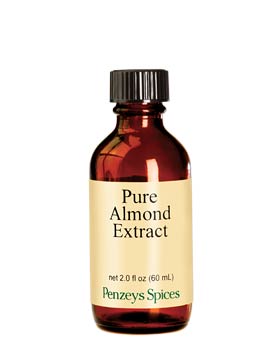
5. Genuine flavoring. Beware--once you smell and taste Penzey's Almond Extract, you can never go back. Just water, alcohol, and almond oil. This is the secret ingredient to our sugar cookie icing and our spritz cookies. It's also good for just taking deep, deep whiffs of, to send yourself into a swoon worthy of the Victorian era.


6. The present of your presence. Most recently I read a memoir called Black Man in a White Coat, about a black doctor and his experiences with colleagues, patients, race and class prejudice (including his own biases!), and his meditations on whether medicine can really help those who don't want to do what it takes to get well. This got me to thinking about exercise, which is about as close as I usually get to actually exercising because--well, yuck. But I'd also read and enjoyed this book about the lifelong benefits of human connection and community:


so I had the brilliant idea of combining the two. Exercise AND face-to-face contact. How about scheduling some one-on-one walks with that friend or family member you're always trying to connect with? Or give a gift certificate to a dance class you can take together, just for laughs. A friend offers these classes, and I'm thinking this would be so fun to do as couples or with a bunch of girlfriends.

Happy run-up-to-the-holidays to all!


Wednesday, October 7, 2015

Can Cheap Food Be Delicious?

Considering the amount of money (not to mention time) my hub spends putting in and tending his garden every summer, I'm pretty sure home-grown food doesn't beat farmed in price, only in enjoyment. We also tend to eat much more of the home-grown produce because--well, you know--when the harvest arrives, it arrives.

Despite two tomato sauce batches, one tomato soup, five Caprese salads, five batches of baked tomatoes, one recipe of bruschetta, tomatoes added to other kinds of salad and soup and Spanish rice, and countless bowls of pico de gallo, we still had plenty of crop left on the vine when it was time to tear the garden out.

The dregs
Thankfully, tomatoes continue to ripen after harvest, albeit not as deliciously as on the vine in hot summer sun. So our little troops are lined up on newspaper in the garage, to extend our season into late fall.

I don't have high hopes for the little green guy
Because I hate to waste food. My kids are regularly subjected to "Clean-Out-the-Fridge" soup, and no chicken bones ever pass through the kitchen without being simmered for stock. (If you don't have enough for a stockpot or time to process them, just throw them in a freezer bag and keep collecting until you do.)

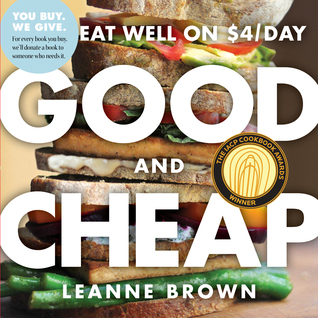
I was pretty excited to hear about this book, you might imagine:


Not only does the publisher promise affordable yumminess, but they also "donate a book to someone who needs it" for every copy purchased! Awesome idea. How it plays out in practice remains to be seen, however, because the book contains recipes that even ardent foodies might hesitate over, like "Mashed Beets" and "Broiled Eggplant Salad" and "Barley Risotto with Peas." Look--I cook my own food and I shop at a farmers market regularly, but there is no way I could get my kids to try 60% of the book's offerings. It might be better to bundle the free book with free copies of


to help "someone who needs it" find the confidence to cook at home, and then throw in


to help all of us get our kids to try more foods and flavors. This one would also work:


All that said, giving Good and Cheap away for free is a great start. Just don't expect it to change the way America eats.

Since my hub and I like vegetables, though, and since his ripping out of the garden filled our pantry with butternut squash, I tried out a recipe from Good and Cheap and found it luscious! (Our squash wasn't as ripe as I would like, so the sweeteners added were my own idea.)

As promised, this recipe was cheap and much more than good.

The main ingredients


Lightly Curried Butternut Squash Soup (adapted from Good and Cheap; Market ingredients "*")

1 butternut squash* (about 2 lbs)
1 Tbsp butter
1 medium onion*, chopped
1 bell pepper*, chopped (recipe called for green, but I would use red or orange next time, so there isn't a bitter note)
3 cloves garlic, minced*
1 tsp cumin
1 tsp coriander
1 tsp turmeric
1/2 tsp cayenne pepper
1 can coconut milk
1/4 cup brown sugar, optional
dash maple syrup, optional
salt and pepper

sour cream for garnish
chopped scallions for garnish*
chopped cilantro for garnish*

To make my life easier, I halved the squash, seeded it, and threw it in a crock pot on LOW for a few hours until it was cooked. Then I scraped out the flesh and added to the soup later.

Melt butter in soup pot over medium and saute onion through garlic until tender. Add spices and cook another 2 minutes, stirring. Add cooked squash, coconut milk, sweeteners, and 3 cups of water. Stir.

Bring soup to a boil, then reduce heat and simmer 30 minutes. Season to taste with salt and pepper.

Blend thoroughly with immersion blender. Serve with dollop of sour cream and sprinkle of garnish.

I plan to try several more recipes in the book and will report back. In the meantime, just two more Thursday Markets, and this will be Skagit River Ranch's last Thursday. Be sure to ask about signing up for there Bellevue Buyers Club, if you still want to order meat in the off-season.

Wednesday, September 16, 2015

Saying No to Synthetic Flavors

Did you notice there were Concord grapes at the Market last week?


I was thrilled to see them, since we rarely see grapes at farmers markets on our side of the mountains. And, while Washington grows plenty of wine grapes, most table (and other) grapes are grown in California. Moreover, if you've ever had "grape juice" or grape-flavored cough syrup or grape-flavored what-have-you, the grape flavor chemists were imitating was that of the Concord grape. So, in clever reverse-marketing, I asked my twelve-year-old Sherpa daughter if she wanted to taste some grapes that tasted like fake grape flavoring. Of course she did.

Here is what we learned about eating Concord grapes:

  1. They're addictive, once you figure out the proper way to eat them.
  2. Concord grapes have both seeds and a bitter skin, rather like plums. Popping the whole grape in your mouth and chewing it up is not a pleasant experience.
  3. My trick was to let them get nice and ripe on the counter. Then I "squirted" the grape into my mouth (minus the skin), being sure to get the juice, key to the "fake" grape flavor. You then chew up the pulp and spit out the seeds.
After going through the trouble of eating these grapes, I see why chemists zeroed in on an easier way to produce the flavor. But I want to argue that the process involved in eating them increases your enjoyment. Rather like having to shell pistachios. It also slows consumption.

And anyhow, ever since I read Mark Schatzker's The Dorito Effect, I've been on a personal crusade to avoid synthetic flavorings and to enjoy the real deal, with all its attendant health benefits.


As I mentioned in a previous post, there's good evidence that flavor in nature is linked to that voodoo that real food does so well. When we recreate those flavors in a chemistry lab, we decouple them from their benefits. Synthetic flavors (which include both "natural" and artificial flavors) encourage us to eat bland, nutritionally bankrupt food we would otherwise get bored with, thus robbing ourselves of the nutritional variety and the satiety indicators that an array of real food, full of real flavors, provides.

So skip the grape-flavored candy and "fruit snacks" and try everyone out on the real McCoy.

Genuine flavors abound, this time of year. Check out this recipe for stuffed tomatoes we've already had twice this week, and which I've also managed to burn twice because I had to leave them on an oven timer while I ran carpool. The good news is, they still taste wonderful with burnt topping! (An asterisk * indicates ingredients available at the Market.)


Tomatoes Provençalish
(adapted from Deborah Madison's Vegetarian Cooking for Everyone)

4 medium or 8 small, ripe tomatoes*
3 garlic cloves*
1/2 c chopped fresh parsley or cilantro*
2-3 Tbsp chopped fresh basil*
3/4 c bread crumbs from torn-up bread*
salt and pepper
olive oil

Preheat the oven to 400F. Butter a dish large enough to hold all the halved tomatoes. Cut the tomatoes in half around the equator and dig out the seeds with your finger. Chop the garlic and herbs and mix them with the bread crumbs. Season with salt and pepper. Top the tomato halves and set them in the buttered dish. Drizzle some olive oil over their tops. Bake for 30-35 minutes, depending on the size of the tomatoes.

Serve carefully, and remember these suckers are hot when they come out of the oven!

Here's what you'll find if you leave them in an extra ten minutes and then come rushing in to rescue dinner:


Have no fear. Still tasty and so flavorful! We'll see you this Thursday or Saturday at the Market, where real food and real flavors abound.


Wednesday, September 9, 2015

Last Night My Kids Ate Beets

May I have your attention, please! Dinners at our home are rarely newsworthy events, but for the past two days, they have been. Not because of what was served, but because of who ate it. Seriously, I rank this right up there with Queen Elizabeth II achieving the longest reign--last night I served roasted beets with a yogurt dipping sauce, and all three of my kids ate some. Not a lot, but some. Meaning, in the case of two of them, a chunk of beet the size of a pea.

You might be thinking, So what? I love beets. Or, like many people I know, you might have read that last paragraph and shuddered inwardly because you hate beets.

What I've learned this week, is that we can actively work to expand our taste likings and the likings of even the pickiest of eaters.


I'd enjoyed Bee Wilson's Consider the Fork, a history of cooking implements, so I picked this one up--a discussion of how we learn to like the tastes we do, and what can be done for those picky eaters, old and young. (Note: after hearing some of the case stories in this book, I will never call my children "picky eaters" again. I now realize they're comparative omnivores!)

What Wilson discovered is that, while there is a genetic and an in utero element to what tastes we like easily, much more of our tastes develop from how and what and when we are fed in the early years afterward. We have such thing as a tasting window, when we're open to new flavors. (Sadly, this window doesn't correspond with the current guidelines and timeline on how to feed babies.) But even after the window of our greatest tasting openness has slammed shut, there are techniques to increase our liking of other foods and flavors.

I would highly recommend this book to anyone who has to feed anyone or who is looking to expand his own limited palate. Wilson also discusses some of the food-liking limitations of autistic kids and treatments that help!

Even if you're not someone crippled because you can only stand to eat a handful of things, there's much to be gained from expanding our flavor horizons. Limited foods often equal limited nutrition. And the rise of processed food consumption has led to people developing "uncannily homogeneous tastes, markedly more so than in the past." What are these homogeneous likings? Well, for sugar, fat, salt, and refined carbs.

Now that "half of adults in the U.S. have diabetes or pre-diabetes," it's looking like a great time to reform our palates. As Wilson points out, it's no use threatening or advising folks. Much more useful is actually getting people to enjoy a healthier, more varied diet because they discover they like it and start to prefer it. Hence my exercises in beets (and green beans the night before). Multiple exposures can get people over the I-don't-like-beets hump into the familiarity camp, and then into the tolerance camp, and then--possibly--into the liking camp! That's the plan, anyhow.

It can happen. Over the years I've grown to like beets, cilantro, cooked spinach, fish, kale, mushrooms, and onions--all things I disliked as a kid. Who knows what more lies out there?


Speaking of new flavors, did you notice our new Thursday vendor?
and The Box's flavor explosion: Kahlua Pork Bao
Get to the Market this week and try at least one new thing. Prepare just a little bit. Try it a couple different ways. Get everyone in your home to taste a pea-sized bite before they chow down on old standbys. Let me know what you find!

Wednesday, August 26, 2015

Seven Reasons to Bypass Big Food for the Farmers Market

I had a wretched meal the other day. One so bad I feel I have to tell you about it. See, what with family trips and unavoidable commitments, I hadn't made it to the Bellevue Farmers Market in weeks. Our meat supply in the freezer dwindled to one package of bacon. Our fresh fruit and vegetables were reduced to the tomatoes in my husband's garden and some mint struggling to survive in a pot on the porch. Desperate times.

So I went to the supermarket and bought some organic chicken to throw on the grill. I even made homemade barbecue sauce. How bad could it be, right? Grilling makes everything awesome, especially charcoal grilling.

It was t-e-r-r-i-b-l-e. The meat was both too chewy and flavorless, in spite of my doctoring. My 14-year-old son, never one to hold back on criticism (or on eating protein), told me, "Never make this again." He needn't have worried. As I chewed and chewed just for the heck of it, I made a vow that, the next opportunity I had, I would stock up on pastured, Market chicken, that such a fate would never befall us again.

It was only when I began reading my latest food-related book that I understood why that meal was so abysmal.

Read this book!
Author Schatzker thinks about the familiar problems of rising obesity and its attendant ill effects from a new angle: that of flavor. How has the increasing lack of flavor in our high-yield crops and livestock, and the simultaneous manipulation of synthetic flavor to compensate, led to our weight issues? He calls this the "Dorito Effect," after that original taco-in-a-chip product that first fooled our palates into thinking we were eating one thing, when we were actually eating another.

This book is chock-full of fascinating stuff, and I'll probably say more in the future, but for the time being, I just want to list "all the ways the Dorito Effect appears to be turning us into nutritional idiots." Or, as I would subtitle it, "Seven Reasons My Chicken Was Dreadful," or, "Seven Reasons to Bypass Big Food for the Farmers Market."


  1. Dilution. With industrial livestock, it's been a race to produce the biggest animals the fastest and the cheapest. As Schatzker points out, we now effectively eat bloated babies fed high-yield grains coated in synthetic flavors to boost consumption. Since flavor in meat depends on what the animal ate and its age, we've experienced a decline in flavor.
  2. Nutritional decapitation. Synthetic flavors (which include both "natural" and "artificial" flavors) imitate the tastes we find in our favorite foods, without being also able to imitate the nutritional value of those foods. No fiber, no antioxidants, no vitamins, no minerals.
  3. False variety. Animals left to themselves crave variety in foods to ensure they get what they need and avoid what they don't need. (Ask me about my consuming craving for barbecue beef ribs during my first pregnancy--I'm forever low on iron.) Synthetic flavors fool our mouths into thinking we're getting this variety.
  4. Cognitive deception. Is there really any fruit in that yogurt? That snack bar? Or are we just being led to think so (and pay as much) by the added fake flavors and marketing?
  5. Emotional deception. Our favorite foods usually have great memories and feelings attached to them. When we hijack the flavors and attach them to something else (usually not as nutritious and high in calories), we assign this heightened pleasure to something not nutritionally deserving.
  6. Flavor-nutrient confusion. While the synthetic flavors may fool our palates and encourage us to eat more, our bodies are not satisfied. We still need what we need to function, after all. So we eat more. And more. And more.
  7. Feeding ourselves like livestock, with the attendant results. Because animals don't like to be penned up and fed the same bland grains and soybeans day after day, farmers have to dress up the food with "palatants." Fooled by the new yumminess, the animals gorge and fatten up nicely. Well, as Michael Pollan pointed out way back in The Omnivore's Dilemma, humans also eat plenty of corn and soy in our processed foods (and because our meats ate them). And, just like the livestock, we add fake flavor to make it taste like a host of different things, so we don't get bored. And, just like the livestock, we've fattened up nicely.
Bust out of bland! Dive into deliciousness, naturally. Nestle into nutrients. Hit the Market this week and bypass Big Food. I'll be there. Tasty as my husband's tomatoes have been, I've got a hankering to diversify our diet.

Homemade pico de gallo


Wednesday, June 3, 2015

Now You Can Get Lazy and Forgetful

Because the Saturday Bellevue Farmers Market opens this weekend! Go ahead and run out of strawberries and cherries after two days--you can always get more on Saturday.

More where these came from
As in past years, the Saturday Market will be held in Compass Plaza, just south of Barnes & Noble, and they will graciously provide free parking with Market validation.

Sounds like Opening Day will be a lovely one, so why not come down for your fresh, just-picked goodies and one-of-a-kind prepared foods, and then grab a beach read from Barnes & Noble before you head for the pool? I've put out my list of 2015's Beach Read Choices here.

And, lest I forget, you might want to run by the Thursday Market as well, to grab some luscious sparkling cider to complete that perfect afternoon.

Some of the ciders

Remember Finn River from Saturday Markets past? I spotted them last Thursday, with their dazzling array of sparkling ciders and wines and brandies, all made with their own fruit.

Dessert wines!

The Full Monty

And hasn't life gotten better, now that we can sample the goods (if we're over 21)?

You can even make it a Finn River weekend because every Sunday at the farm and cidery they offer tastings AND a free slice of woodfired pizza, garnished with "fresh, organic, farm-grown toppings." This is meant to be a family affair with live music from 12-6pm. Show up on bicycles and you get a free cup!

Our friends are located south of Port Townsend on the Olympic Peninsula. Directions here.

Don't forget that Saturdays are dog-friendly, as well--a big highlight for my almost 12YO daughter, who loves to see your dogs, since her cruel mother won't get her one. (This is her birthday weekend, so I'm putting out a special plea to all Corgi and West Highland Terrier owners to turn out!)

Got one of these? She's welcome on Saturdays!
Walk your Westie on down!
Do we have a deal? See you all Thursday and Saturday.

Wednesday, April 29, 2015

A Salad for All Seasons


Lilac season is already nearly over. And I will say again that I wish those interested in genetically modifying plants would hurry up and work on lilacs. Why the heck is there no ever-blooming lilac? Or at least twice-blooming? Would that not bring as much joy to the world as crops that survive being sprayed with Round-Up or seedless oranges? (Really, how annoyed are we nowadays to find seeds in our oranges or grapes or watermelons? Spoiled.) And once they figure out lilacs, my next vote would be for twice-blooming rhododendrons.

Because lilacs usually bloom a few weeks later, I can't help but feel like the Bellevue Farmers Market should be opening right about now. The lilacs turn brown, and off we go to the Market, right?

Hang tight, everyone. I count 15 more days until the first Thursday Market of the season, with its flowers and tender greens and new and familiar vendors to see. May 14!

In the meantime, I've discovered a passable salad that would certainly taste better in July but will have to do for now. Apart from the storebought cherry tomatoes, which were hard and flavorless and truly awful, this isn't bad:


Faux Summer Corn-Avocado Salad

most of 1 bag of frozen corn, cooked in microwave and drained
half of a red onion, diced
1 ripe avocado, chopped
1 pint of cherry tomatoes, cut in half
2 Tbsp - 1/4 cup chopped fresh cilantro

Combine in a bowl.

Dressing:
2 Tbsp apple cider vinegar
1 tsp Dijon mustard
1/4 cup olive oil
salt and pepper to taste

Mix dressing ingredients and toss with salad. 

Apart from biting into one of those awful cherry tomatoes once in a while, you'll think it's the 4th of July! In fact, I can't wait to make this with our homegrown tomatoes in August.

This salad can be varied with basil. Or with diced carrots and celery and cucumber in place of the cherry tomatoes. Have at it.

And on a final, random note, if you enjoy Food channel shows, especially ones where they travel around the country and find unique food experiences, you'll probably enjoy this book:

A fun series of essays ranging from eating contests to serious barbecue (reminded me of Michael Pollan's Cooked) to tailgate parties and food salvage. If you're headed for L.A. or the Bronx, consult this book first, for its mouthwatering secret Filipino, Korean, and Caribbean restaurants.

Until next week!

Wednesday, April 8, 2015

To Perk You Up During Tax Time

Hoping April hasn't been too cruel a month for you so far, although dreaded Tax Day approacheth. I got it over with and sent in the check (can't remember the last time we've seen a refund around here...), but if you still have that hurdle ahead, one of my latest reads should cheer you up.

The cover I enjoyed


But you might also see it like this

This was a wonderful memoir covering the author's extended family's life in Moscow, from the 1910s (end of the Tsarist era), to the birth and development of the Soviet Union, to its dissolution and almost present-day Russia.

No matter our tax burden, at least we're not living under Stalin! We've got bounteous food on our store shelves, private kitchens in our homes (rather than communal apartments), and none of our past leaders have been embalmed for us to pay homage to. Knowing almost nothing about Soviet history, this book was nonstop fascinating and sometimes funny. Her chapters are organized around eras and the food that typified the era, for which recipes are found in the appendix.

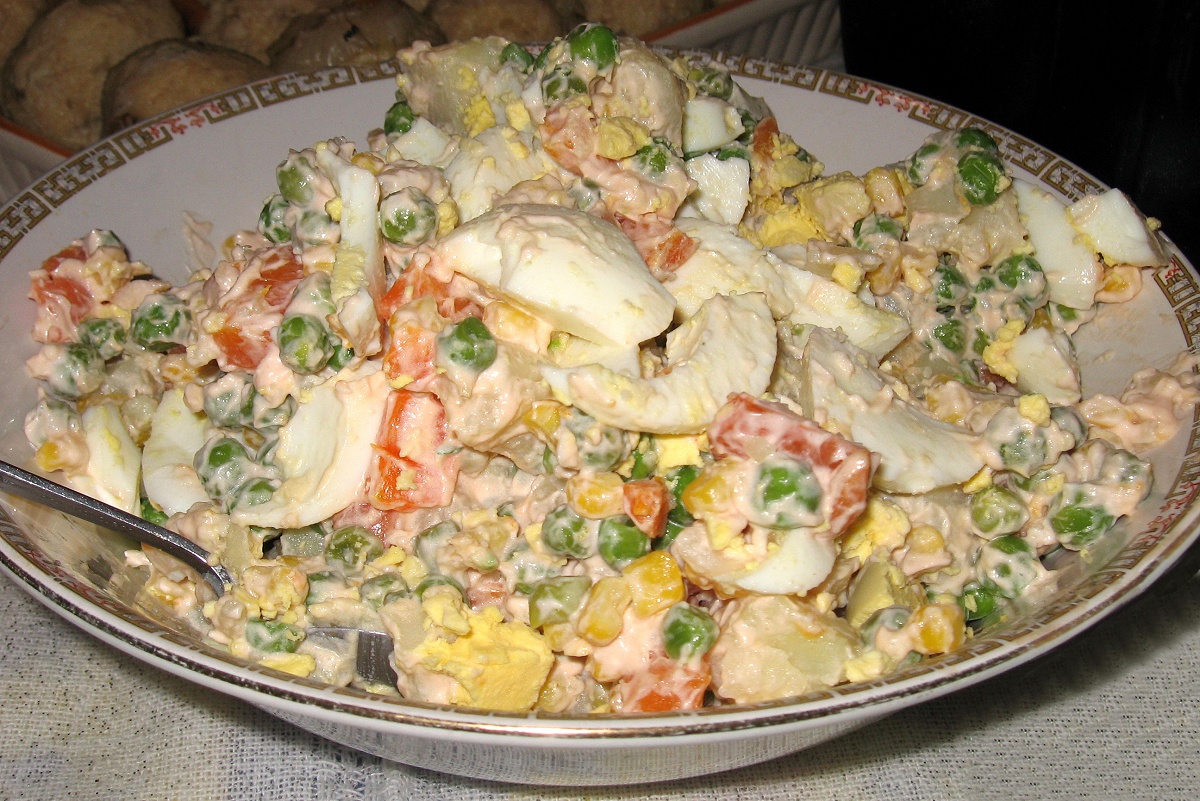
I don't know about you, but I'd only had Russian food once, prepared for us by an Uzbeki couple. There was something fishy, something potato-y, several things mayonnaise-y. All quite tasty. The recipes in Mastering the Art of Soviet Cooking are quite elaborate in many cases and nothing I plan on attempting soon. But since my book club will be doing a Russian-themed evening for The Madonnas of Leningrad this summer, and since I had boiled eggs on hand for Easter, I decided to try my hand at what looked simplest.


(Note: we're not doing a Madonnas of Leningrad-themed dinner because the characters suffer through the Siege of Leningrad and end up eating rats and library glue and such.)

Wikipedia's version, although mine looked pretty much the same
Salat Olivier
3 lg boiling potatoes, cooked, peeled, and diced
2 med carrots, cooked, peeled, and diced
1 lg apple, peeled and diced
2 med dill pickles, diced
1 med cucumber, peeled, seeded, and diced
3 boiled eggs, peeled and chopped
1 16-oz can peas, drained (I'd substitute frozen)
1/4 cup chopped scallions
1 Tbsp dried dill
12 ozs lump crabmeat (or cooked chicken)

Dressing:
1 cup mayo
1/3 cup sour cream
2 Tbsp lemon juice
2 tsp Dijon mustard
1 tsp white vinegar
salt to taste

Combine all salad ingredients. Whip up dressing ingredients and toss well. Refrigerate until serving.

A couple comments: I didn't like the fake crab I used and would rather have had chicken. In fact, I'd probably prefer the salad vegetarian, with thawed, frozen peas substituted for the drab canned peas. This keeps well in the fridge for a couple days and is appropriately colorful (for an off-season salad) and mayonnaise-y for that Russian feel.

Anyhow, whether you're a potato salad fan or not, I highly recommend the entertaining book. Enjoy.

Wednesday, April 1, 2015

Post Supper-Club Analysis

If you made the Chocolate Tres Leches Cake I included in last week's post, I apologize. Don't know about yours, but mine was severely underwhelming. (Think of my sharing that recipe with you as an early April Fool's joke...) Other members of the supper club dutifully ate their portions, but I left half mine on the plate--unthinkable for a dessert! Not only did the thing look lousy on the plate (I now understand why there was no picture in the cookbook), but I didn't take a picture because I put the rest down the garbage disposal.

Mine didn't look like finecooking.com's version
Nor like Sweetysalado's
But before you (or I) recycle Debi Shawcross's Friends at the Table cookbook, let me hasten to say the rest of the menu was absolutely delicious and highly recommended.

Our recipe guru Ms. Shawcross


To recap, we enjoyed:
Artichoke Quesadillas
Southwestern Caesar Salad
Tequila-Marinated Halibut with Grapefruit-Avocado Relish
Creamy Green Chile Rice
Chocolate Tres Leches Cake

The general ratings:

Artichoke Quesadillas.         Tastiness: 10!       Effort: 4.
Southwestern Caesar Salad. Tastiness: 7.         Effort: 7 (probably not worth it).
Halibut.                                 Tastiness: 8.        Effort: 5.
Creamy Green Chile Rice.    Tastiness: 8          Effort: 4.
Chocolate TL Cake.              Tastiness: 3          Effort: 3.

The ambience and company rated 10s, and, of course, you would have control over those elements in your own supper club.

In retrospect, the recipe you'll want from that evening was the Artichoke Quesadillas. (The maker of which later told me she's already made them again!) Next time you're asked to bring an appetizer, give these a whirl.

Artichoke Quesadillas
3/4 c fresh basil leaves, cut in thin strips
3 6-oz jars marinated artichoke hearts, drained
3/4 c grated Parmesan cheese
8 8- or 10-inch flour tortillas
2 c grated Pepper Jack cheese
2 poblano peppers, roasted*, peeled, and cut in thin strips
olive oil or fat of your choice for frying

In a food processor, combine artichokes, Parmesan and basil. Pulse until finely chopped. Place 1 tortilla on work surface. Spread one-fourth of artichoke mixture on top. Sprinkle with 1/2 c Pepper Jack cheese and some of the poblano strips. Cover with second tortilla. Repeat assembly for remaining quesadillas.

Heat a large, nonstick skillet over med-hi with fat of your choice. Cook quesadillas one at a time, turning after a couple minutes, until both sides are golden. Remove from pan and cut in wedges.

Makes 8 servings.

If you've never roasted a pepper, here are Emeril Lagasse's instructions. I think I might even be able to get my kids to try these, since they'll be fooled by the tortillas and cheesy goodness.

In other news, it's April! Just a hop, skip, and a jump away from May and the opening of the 2015 Bellevue Farmers Market season! Stay tuned for info.


Wednesday, February 4, 2015

When Food Doesn't Comfort and Retail Isn't Therapeutic

You might still be recovering from the Game That Must Not Be Mentioned.

For us it was compounded by a death of a close person, and, yeah, Sugar-Free January was over, so here's how it played out:

1. We were sitting on the couch, trying not to think about things.

2. We wanted to watch something that would cheer us up.

3. Netflix was streaming William and Kate, a Lifetime made-for-TV movie, which you knew had to be awesome.

If this isn't on your Watchlist, it needs to be

4. Watching the movie (which was every bit as awesomely awesome as you could imagine) reminded us that we had a tin of Walker's Shortbread in the pantry--a commemorative tin with Will, Kate, and Baby Prince George on it.

Thank heavens no one took a picture of ME right after childbirth, and put it on a commemorative tin!

5. After a brief consult, we decided what better time to bust into a tin of shortbread than when we were depressed and watching a movie that insulted our intelligence? We made quick work of it:

I guess they couldn't shape them like Will, Kate, or Baby Prince George

Did we feel better? Marginally. But it was worth it in the end because the conclusion of the Lifetime movie must be seen to be believed--I'm talking big belly laughs that were unintentional on the movie producers' part but greatly appreciated all the same.

Then the pall descended again. The Game That Must Not Be Mentioned was not a hideous nightmare, and our friend was still gone.

You see, we turn to things like food and entertainment or even shopping so (to paraphrase Jim Gaffigan in Food: A Love Story) we don't have to "feel those feelings." A fine plan of counterattack, when resorted to only occasionally, to retain the element of surprise. (Kind of like what might have been going through the coaches' minds when they called for a pass instead of--oh--never mind.)

But when food or entertainment or shopping becomes our everyday go-to coping mechanism, that's when the problems start. Two examples from my reading this week:


Memoirist and blogger Andie Mitchell turned to food because she had an alcoholic, unemployed father, an absent mother who had to hold down three jobs, and a family dynamic that would take the mickey out of anyone. On the plus side, although Mitchell binged constantly and gained weight steadily, she attended the kindest high school on earth and still had popular friends, a hot prom date, and she got voted Prom Queen. Huh? Where was that high school when the rest of us needed a little understanding?

It Was Me All Along chronicles her journey through obesity, weight loss (surprise! it was exercise and portion control), neuroticism about eating, and then health. The food blogger in her comes out with elaborate food descriptions that certainly won't help anyone who struggles with obesity or eating disorders, and it turns quite humdrum once she loses the weight and gets over her fear of eating again, but it's worth a read.

Also worth a read was Stuffocation by James Wallman, who urges us to put down the credit card, quit filling our houses with junk, and get out and live a little. After taking the little mini-quizzes inside I realized this was not a book I needed to read (I'd way rather eat something than buy something), but I know shopping is many people's drug of choice, so I include it here.


Instead of buying a new car and drowning under the payments, instead of filling your closet with things you wear once a decade, instead of having the latest this or that, Wallman recommends quality time and experiences.

One great point Wallman makes, for why experiences trump possessions is that we tend to remember experiences positively, whether the experience itself was positive or negative. I can vouch for this--we took our kids on the "Santa Train" when they were little, an end-to-end horrible experience, thanks to rain and tantrums and missing shoes and fogged-up windows and Santa giving out toothbrushes, for Pete's sake, but now we milk it for laughs. Lots of laughs. The "Satan Train" has become a favorite memory because of its sheer awfulness. What possession can do that for you?

So if you're turning too much to food or bad TV movies or maxing out your credit card in the aftermath of The Game, may I recommend you replace these options? Call a friend and get together. Take the dog on a scenic walk. Make someone something. Curl up with a good book. Plan a getaway.

Heck--if none of those work, go ahead and watch William and Kate. It sure won't send you on a Lifetime movie binge.

Have a better week!

Wednesday, January 21, 2015

Corn, Reborn

At a recent gathering we hit folks with a hipster quiz, to rate how trendy they were. Had they downloaded the hottest songs? Seen the hottest movies? Lost hours of their lives to Trivia Crack?Since those present ranged in age from 14 to 85, you might imagine that trendiness varied widely. In one area, however, just about everyone was in step with the times. Or the times, circa 2014!
Passé on two counts

This area was food trends. I asked if anyone had consumed, within the previous week:

  1. Greek yogurt;
  2. A smoothie with vegetables in it;
  3. Bacon-flavored anything (other than just bacon itself); or
  4. Something labeled "gluten-free."
Scoring was impressive. Except that those trends are supposedly on the wane now.

For that refreshing, "I just ate breakfast" feeling


It's 2015 people, and according to this recent CNN article, we've got all new food trends:

  1. Radishes. Because they're so...radish-y, I guess.
  2. Yogurt with vegetables in it. Because...ick.
  3. Maple syrup. Because all our bees are dropping dead, but there's no shortage of maples in Canada, for the time being. If only the danged trees could make themselves useful and do some pollinating while they're at it.
  4. Sour flavors. The kids had the jump on us on this one. They've been downing sour Gummi worms for years.
  5. Hemp. Because with all that legal marijuana, we've got more seeds floating around. Hemp milk! Hemp in cereals! Hemp--it's what's for dinner, not just what's tying the yacht to the dock.
  6. Old school cocktails. Might be sentimentality over Mad Men ending, but those drinks grandpa drank are ba-a-a-ack!
  7. Eating seasonally, if not locally. Not sure I get this one, since, to co-opt the drinking excuse, it's always summer somewhere.
  8. The end of restrictive elimination diets. Which means that book I reviewed earlier, Smart People Don't Diet, is exactly on trend. Impressive.
  9. Spanish cuisine. Not only is the country a hot tourist destination, but the food is in too! And if you make or eat it in America, you can even eat your dinner before nine o'clock.
  10. And finally, trendwatchers predict fancy cookies on dessert menus. Well, duh.
But supposing you're still clinging to 2014's food trends. Greek yogurt tastes like ice cream, you argue. Or, It may be 2015, but I'm still gluten-intolerant!

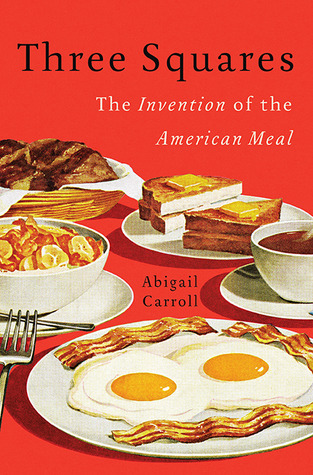
It's okay to be out of style. In fact, if gluten still isn't your thing, you may as well go all the way and be 250 years out of style. I've been reading a fascinating little history of American meals called Three Squares, and in one passage, author Abigail Carroll describes how Ben Franklin patriotically stuck up for American consumption of "Indian corn" in the face of English snootiness.

 
Franklin deemed corn "one of the most agreeable and wholesome grains in the world...its green leaves roasted[!] are a delicacy beyond express;...samp, hominy, succotash, and nokehock, made of it, are so many pleasing varieties, and...Johnny cake or hoecake, hot from the fire, is better than a Yorkshire [English] muffin."

This impassioned declaration got me to thinking--colonial Americans often ate gluten-free by default. After all, wheat ain't easy to grow, and Carroll notes that wheat didn't take off in America or become widely (or cheaply) available until the end of the 18th century. Instead, early Americans ate plenty of peas and that Native American local favorite, corn. 

So say you're clinging to your retro, gluten-free food trend and want to get back to corn. What are these luscious dishes Franklin references? 

Samp: corn porridge similar to oatmeal, based on a Native American dish nausamp. Plimoth Plantation provides recipes for both here.

Hominy: yes, that hominy--like you find in cans in the Mexican food section. I guess they mixed it with bacon (another ancient food trend!) or ham and ate up.

Succotash: a boiled, one-pot meal in olden days. Zester Daily gives a history and recipe here (and hominy makes its second appearance). 

Nokehock: apparently this recipe has fallen out of favor in the last 250 years, so maybe Franklin was alone in his appreciation for it. Another author of an American food history defines it as "parched corn cooked in hot ashes, then pounded into meal." Uh, yum?

Johnny cake: recipes for corn pancakes have never gone completely out of style, and looking this one over made me want to whip some up. 

Add a dollop of Greek yogurt, some bacon-flavored maple syrup, and wash it all down with a kale smoothie, and it'll be like 2014 all over again!